

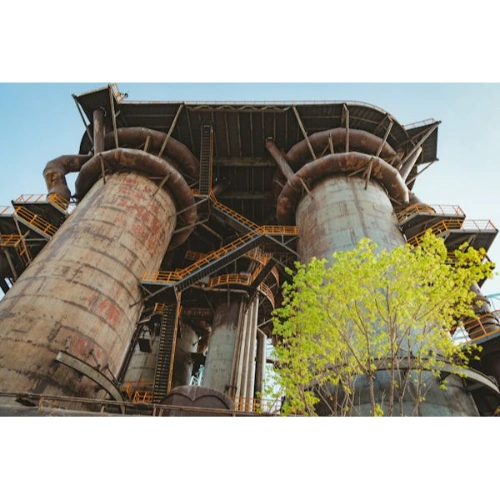
Ellesmere Port is built around industry. From chemical processing sites to large-scale manufacturing facilities, the area operates in environments where safety systems are not optional, they are fundamental. These workplaces involve controlled risks, regulated processes, and strict operational procedures designed to prevent harm.
When an accident happens in this setting, the focus immediately shifts to one question: What failed? Not just what happened, but which part of the system broke down and whether that failure should have been prevented.
Marley Solicitors advises on industrial and chemical accident claims where identifying responsibility depends on understanding how a site is managed, how risks are controlled, and where those controls may have failed in practice.
Case scenario 1: Chemical exposure within a controlled environment
A worker is operating within a chemical processing unit in Ellesmere Port. The role involves handling substances that require protective equipment and containment procedures.
During a routine task, a leak develops in part of the system. Vapours begin to escape into the immediate working area. The worker experiences breathing difficulty and irritation to the skin.
At first glance, the cause appears to be a simple equipment issue. In reality, the situation is more layered.
In environments like this, exposure incidents are rarely judged on the presence of a leak alone. The assessment centres on what should have been in place before that point. This includes whether the system was properly maintained, whether monitoring procedures were active, and whether the worker had appropriate protective equipment.
If containment systems were inadequate, if maintenance schedules were not followed, or if protective measures were insufficient for the task, responsibility may arise. The right to a safe working environment in this context includes protection from known chemical risks, not just reaction after exposure has occurred.
What this scenario shows about your rights
Industrial workers in Ellesmere Port have a right to operate within systems that are designed to control foreseeable hazards. Chemical exposure is not an unpredictable risk. It is a known and regulated danger, which means preventative measures are expected as standard.
Where those measures fall short, the issue is not the existence of risk, but the failure to manage it properly. That distinction is what underpins many successful claims in chemical environments.
The right to proper training, appropriate protective equipment, and safe systems of work is central here. If any of these elements are missing or applied incorrectly, the position shifts from unavoidable accident to potential liability.
Case scenario 2: Machinery incident on a factory floor
In a separate situation within a manufacturing facility, a worker is assigned to operate machinery as part of a production line. The task is repetitive, and the equipment is used continuously throughout the shift.
During operation, the worker’s hand becomes caught due to a failure in the machine’s guarding system. The injury occurs quickly, with little opportunity to react.
As with chemical exposure, the analysis does not stop at the moment of injury. It moves backwards through the process.
Machinery used in factory settings must be properly maintained, fitted with effective safety guards, and operated by individuals who have received appropriate training. If a guarding system is missing, damaged, or bypassed, this raises immediate questions about compliance with safety standards.
The responsibility may lie with the employer for failing to maintain equipment, with a site operator for allowing unsafe conditions, or in some cases with a third party involved in servicing or supplying the machinery.
Where responsibility becomes complex
Industrial sites in Ellesmere Port often involve multiple layers of control. A worker may be employed by one company, operate within a site managed by another, and use equipment maintained by a third party.
This creates situations where responsibility is not immediately obvious.
In Ellesmere Port cases, Marley Solicitors often identifies overlapping responsibility between employers, site operators, and external contractors. Each party may control a different aspect of the working environment, and liability depends on where the breakdown occurred.
This is why claims in industrial settings require more than a surface-level understanding of events. They require a clear breakdown of who controlled each part of the system and how that control was exercised.
Case scenario 3: Unsafe working system on a production line
A worker on a production line is required to meet demanding output targets. The process involves repetitive movement and sustained physical effort over long periods.
Over time, the worker begins to experience strain and eventually develops an injury linked to the demands of the role.
There is no single moment where the accident occurs. Instead, the issue develops through a system that places sustained pressure on the individual without adequate safeguards.
In cases like this, the focus shifts again. The question is whether the system itself was designed and managed in a way that protected the worker from foreseeable harm.
If workloads are unreasonable, if breaks are insufficient, or if no adjustments are made despite clear signs of strain, the system may be considered unsafe. The absence of a sudden incident does not remove the possibility of a claim.
What evidence matters in chemical and factory claims?
In industrial environments, evidence is closely tied to systems, procedures, and records rather than isolated observations.
The strength of a claim often depends on documentation that shows how the site was supposed to operate compared to what actually occurred. This includes safety procedures, maintenance records, training documentation, and any logs related to incidents or equipment performance.
In chemical exposure cases, records relating to substance handling, monitoring systems, and protective equipment are particularly important. In machinery-related incidents, maintenance history and safety checks become central.
The key is consistency. Where records show that procedures were not followed, or that systems were incomplete or ineffective, the position becomes clearer.
How Marley Solicitors approaches industrial accident claims
Industrial claims require a structured and methodical approach. It is not enough to describe what happened. The claim must demonstrate how the system failed and why that failure should have been prevented.
Marley Solicitors focuses on identifying the exact point at which control broke down. This involves analysing site procedures, reviewing documentation, and linking the injury to a specific failure in the system.
By building the claim around cause and effect, rather than assumption, the position becomes more robust and easier to defend.
Understanding whether you have a valid claim
A chemical or factory accident in Ellesmere Port may form the basis of a claim where there is evidence that safety systems, training, or equipment were inadequate or not properly applied.
Where the working environment was controlled and the risk was known, there is an expectation that those risks were managed effectively. If that expectation was not met, the likelihood of a successful claim increases.
Where systems were in place and followed correctly, or where the cause of the incident cannot be clearly linked to a failure, the position becomes more limited.
The key is not the type of accident, but whether the system designed to prevent it was sufficient and properly implemented.
Final consideration
Industrial and chemical environments are designed around prevention. When those preventative systems fail, the consequences can be significant.
Understanding your rights in this context means understanding whether the safeguards that should have protected you were actually in place and functioning as intended.
Where they were not, the basis for a claim becomes far stronger, as it indicates a failure of duty of care on the part of those responsible for implementing the preventative systems.